Vomiting in Pets: When It’s an Emergency and When It Can Wait
Vomiting in Pets: When It’s an Emergency and When It Can Wait
Vomiting is one of those symptoms that can mean very little — or a lot.
Many pets vomit once and recover quickly, which is why owners often hesitate to call a vet immediately. The challenge is knowing when vomiting is minor and when it signals something far more serious.
Understanding the difference can prevent delays in treating a true emergency.
When Vomiting May Not Be an Emergency
A single episode of vomiting may not require urgent care if your pet:
- Vomits once
- Remains alert and responsive
- Continues drinking water
- Shows no additional symptoms
Common mild causes include:
- Eating too quickly
- Minor dietary changes
- Mild stomach irritation
In these situations, close monitoring may be appropriate.
When Vomiting Becomes Concerning
Concern increases when vomiting:
- Happens multiple times
- Appears suddenly without explanation
- Persists beyond 24 hours
- Occurs in a pet with existing health conditions
Repeated vomiting can quickly lead to dehydration and electrolyte imbalance.
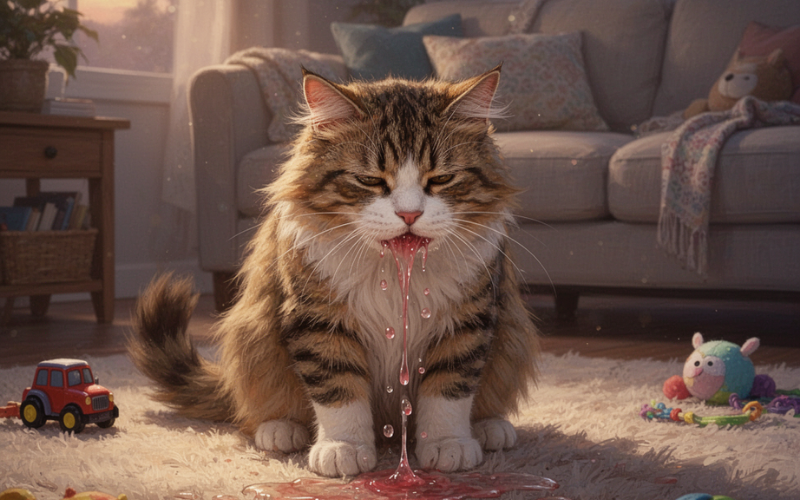
Red Flags That Require Immediate Veterinary Care
Seek Urgent Evaluation If Vomiting Is Paired With:
- Lethargy or weakness
- Loss of appetite
- Diarrhoea
- Abdominal pain or bloating
- Signs of dehydration
- Blood in vomit
- Collapse
Puppies, kittens, senior pets, and small animals should be evaluated sooner rather than later, as they can deteriorate more quickly.
Serious Causes Behind Vomiting in Pets
Vomiting can be linked to several significant medical conditions, including:
- Infections
- Foreign body obstruction
- Toxin ingestion
- Pancreatitis
- Kidney disease
- Heat-related illness
Because many of these conditions share similar symptoms, professional examination is often the only reliable way to determine severity.
What Pet Owners Often Get Wrong
Certain actions can unintentionally worsen the situation:
- Waiting several days to seek advice
- Repeatedly switching foods
- Giving human anti-nausea medications
- Offering large amounts of water all at once
If vomiting continues or your pet cannot keep water down, veterinary care should not be delayed.
Final Thoughts
Vomiting is common — but persistent or severe vomiting is never normal.
When in doubt, it is safer to seek veterinary advice early. Quick intervention often means simpler treatment and better recovery outcomes.