Trouble Breathing in Pets: Signs You Should Go to the Vet Immediately
Trouble Breathing in Pets: Signs You Should Go to the Vet Immediately
Most pet owners notice breathing changes before they fully understand how serious they are. It may begin quietly — faster breathing while resting, unusual posture, or a pet that suddenly seems uncomfortable lying down.
Because pets hide pain well, visible breathing problems usually mean the issue is already advanced.
Breathing difficulty in pets is never something to monitor casually.
Early Signs of Breathing Problems in Pets
Breathing trouble does not always look dramatic at first. Subtle changes often appear before obvious distress.
Warning Signs to Watch For
- Rapid breathing while resting
- Shallow, fast breaths
- Stretching the neck forward to breathe
- Flaring nostrils
- Sitting upright instead of lying down
- Reluctance to rest on their side
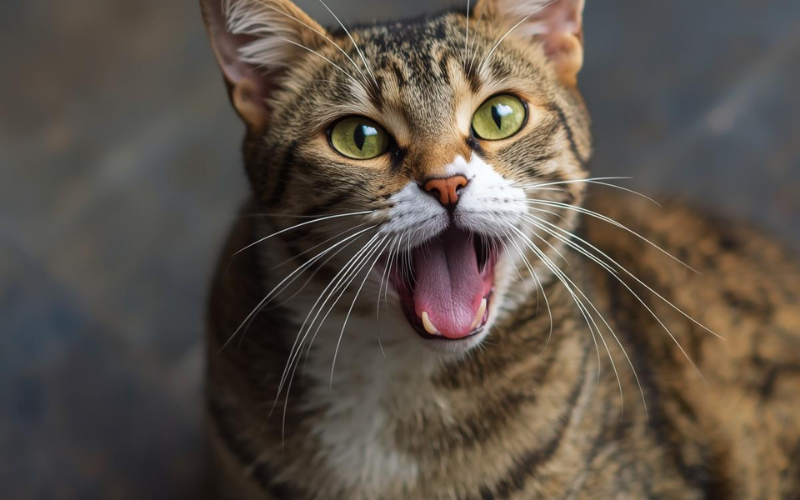
Cats breathing with their mouths open are especially concerning and should always be treated as an emergency.

Common Causes of Breathing Difficulty
Breathing issues can stem from several serious conditions, including:
- Respiratory infections
- Allergic reactions
- Asthma
- Heart disease
- Heatstroke
- Airway obstruction
- Trauma
- Poisoning
- Fluid buildup in the lungs
These conditions can worsen quickly because oxygen delivery to vital organs becomes compromised.
When Breathing Trouble Is an Emergency
Seek Immediate Veterinary Care If You Notice:
- Rapid or laboured breathing while resting
- Open-mouth breathing or gasping
- Blue, grey, or very pale gums
- Sudden collapse or extreme weakness
- Breathing changes after injury, toxin exposure, or overheating
When oxygen levels drop, organs begin to suffer within minutes. Delaying care to “see if it improves” can allow shock or organ failure to develop rapidly.
What Pet Owners Should Do Immediately
If your pet is struggling to breathe:
- Keep them as calm and still as possible
- Limit physical movement
- Avoid pressing on the chest or neck
- Do not attempt home treatments or give medications
- Transport them in a well-ventilated carrier or vehicle
Calling the veterinary clinic ahead can help the team prepare for your arrival and begin emergency care immediately.
Final Thoughts
Breathing difficulty is one of the most urgent emergency symptoms in pets. Even subtle changes can signal a serious underlying condition.
When in doubt, treat breathing problems as an emergency. Acting quickly can prevent shock, organ damage, and life-threatening complications.