Seizures in Pets: What Owners Should Do in the Moment
Seizures in Pets: What Owners Should Do in the Moment
Seeing a pet have a seizure can be frightening, especially if it happens for the first time. Many owners instinctively try to help, but knowing what not to do is just as important as knowing the correct response.
Understanding how seizures appear and how to react calmly can help keep your pet safe until veterinary care is available.
What a Seizure in Pets Looks Like
During a seizure, pets may suddenly lose control of their body. Episodes can vary in length and severity.
Common Signs of a Pet Seizure
- Sudden collapse
- Body stiffening or shaking
- Uncontrolled leg paddling
- Drooling or foaming at the mouth
- Temporary loss of awareness
- Unusual vocalisation
Some seizures last only a few seconds, while others may continue for several minutes.
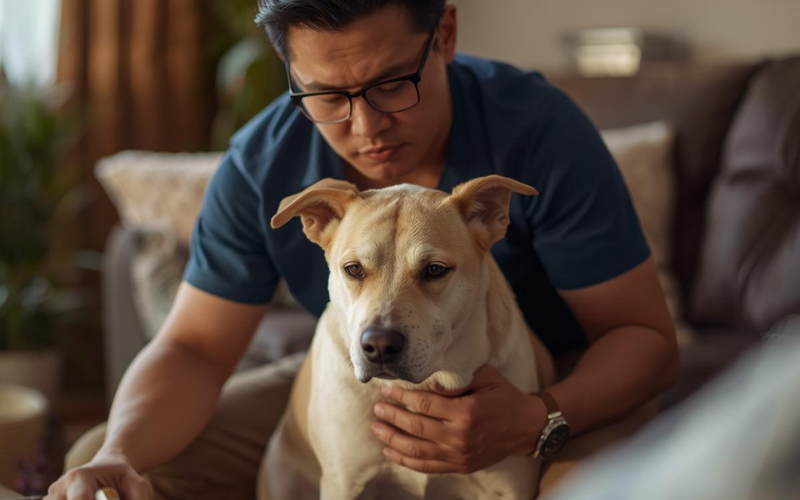
What To Do During a Pet Seizure
The most important goal during a seizure is preventing injury.
Immediate Steps for Pet Owners
- Clear the surrounding area so your pet cannot hit furniture or objects
- Keep your hands away from your pet’s mouth
- Do not restrain your pet or try to stop the movements
- Dim lights and reduce noise if possible
- Observe the length of the seizure
Timing the episode can help your veterinarian evaluate the situation more accurately.
What Happens After the Seizure
When a seizure ends, many pets experience a recovery phase called the post-seizure period.
During this time, pets may appear:
- Confused or disoriented
- Temporarily blind
- Unsteady when walking
- Restless or anxious
Keep your pet calm, warm, and in a safe area until they regain normal awareness.
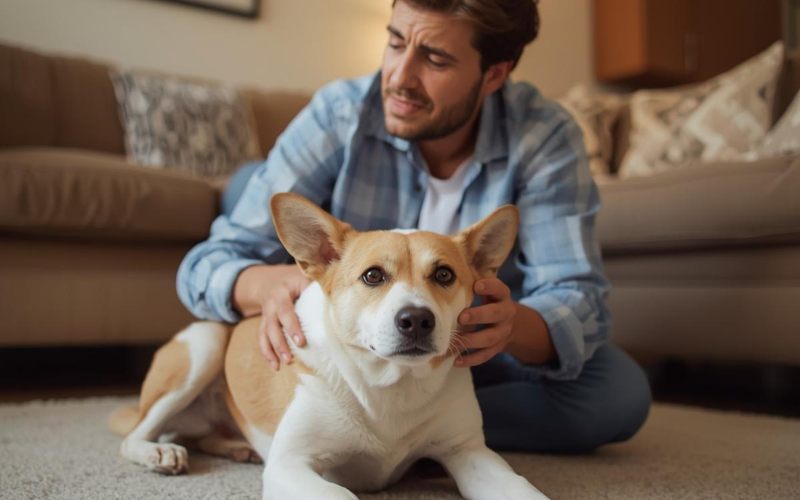
When a Seizure Is an Emergency
Veterinary care should always be sought after a seizure, but immediate emergency care is especially important if:
- The seizure lasts more than five minutes
- Multiple seizures occur close together
- Your pet does not recover normally afterward
- The seizure follows toxin exposure or injury
These situations can indicate serious underlying conditions that require urgent treatment.
Possible Causes of Seizures in Pets
Seizures can occur for many different medical reasons, including:
- Epilepsy
- Toxin ingestion
- Metabolic disease
- Brain disorders
- Severe infections
- Head trauma
Even if the seizure stops on its own, veterinary evaluation is essential to determine the cause.
Final Thoughts
A seizure can look alarming, but staying calm and focusing on safety is the most helpful thing an owner can do.
Clearing the area, avoiding restraint, and seeking veterinary advice quickly can protect your pet and ensure they receive proper care.